Related

Why the Scale Doesn’t Tell the Whole Story: Understanding Body Composition
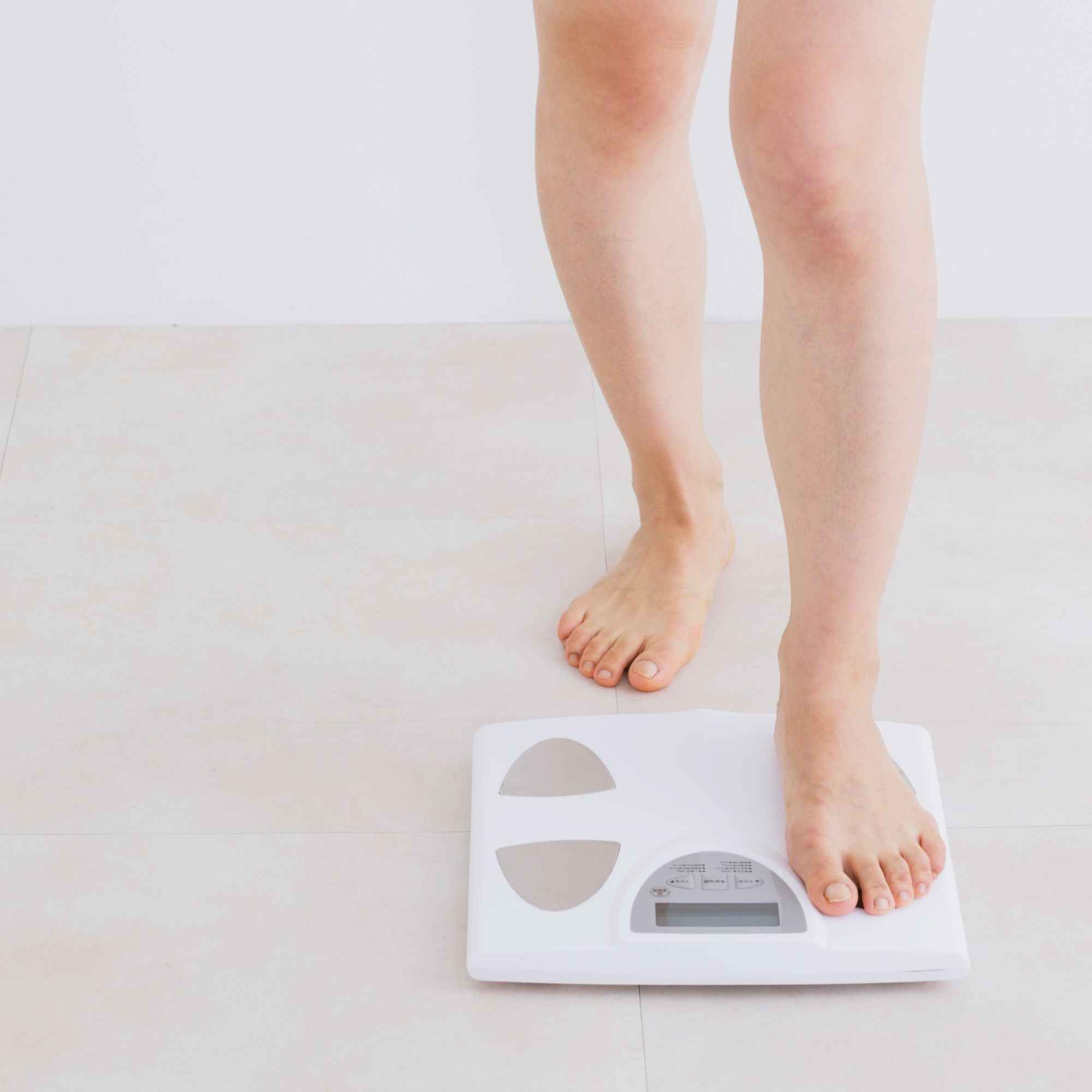
Step on a scale and you’ll get a number. Plug your height and weight into a BMI calculator and you’ll get a category. But neither of those tells you what’s actually going on inside your body.
At Gym MPLS and Apex Personal Training, we believe your health deserves more than a single number. Real progress isn’t just about losing weight. It’s about understanding what your body is made of, how it’s functioning, and where your biggest opportunities are.
The Problem with the Scale (and BMI)
The scale measures total body weight. So if you’re building muscle, improving hydration, or even just recovering well, the number might not move much… or could even go up.
BMI (Body Mass Index) takes it a step further by comparing height to weight. But it still doesn’t account for:
- muscle mass
- body composition
- athleticism
- individual physiology
That means someone strong, lean, and healthy can be labeled “overweight,” while someone with low muscle mass and higher body fat could fall into a “normal” category. Not exactly helpful.
What Actually Matters: Body Composition
Body composition gives you a much clearer picture of your health and fitness. It breaks down what your body is made of and how it’s functioning.
Here’s what we really care about:
Muscle Mass
Muscle isn’t just about aesthetics. It’s your engine.
- supports metabolism
- improves strength and longevity
- helps regulate blood sugar
More lean muscle = a more efficient, resilient body.
Muscle Imbalances
Not all muscle is evenly distributed.
Imbalances can lead to:
- pain or injury
- movement compensations
- plateaus in training
Understanding where you’re over- or underdeveloped allows us to train smarter, not just harder.
Body Fat Percentage
This tells us how much of your body is fat versus lean tissue.
It’s a far more meaningful metric than weight alone because it helps us:
- track fat loss vs muscle gain
- tailor nutrition strategies
- measure real progress over time
Visceral Fat
This is the fat stored around your internal organs.
Higher levels are associated with increased risk of:
- heart disease
- metabolic dysfunction
- inflammation
The key? You can’t see it from the outside. But you can measure it.
Bone Density & Overall Body Density
Strong bones are a long-term investment in your health.
Understanding bone density helps us:
- support injury prevention
- guide strength training
- monitor long-term health markers
Why This Changes Everything
When you understand your body composition, everything becomes more intentional.
Instead of guessing, we can:
- build training programs based on your actual needs
- adjust nutrition to support fat loss, muscle gain, or performance
- identify risks early and take proactive action
It turns “working out” into a strategy.
Introducing Our Partnership with DexaFit
To give our clients the most accurate and actionable data possible, we’ve partnered with DexaFit. DEXA scans are considered one of the most precise ways to measure:
- body fat percentage
- lean muscle mass
- visceral fat
- bone density
This allows us to move beyond assumptions and create a plan based on real data about your body.
Ready to Go Deeper Than the Scale?
If you’ve ever felt frustrated by the number on the scale or confused about your progress, you’re not alone.
The truth is, your body is more complex and more capable than that number gives it credit for.
Let’s take a smarter approach.
Reach out to Gym MPLS or Apex Personal Training to learn more about body composition testing and our DexaFit partnership.
Because when you understand your body, you can finally train, fuel, and recover in a way that actually works.
.png)
.png)
.png)
.png)
.png)